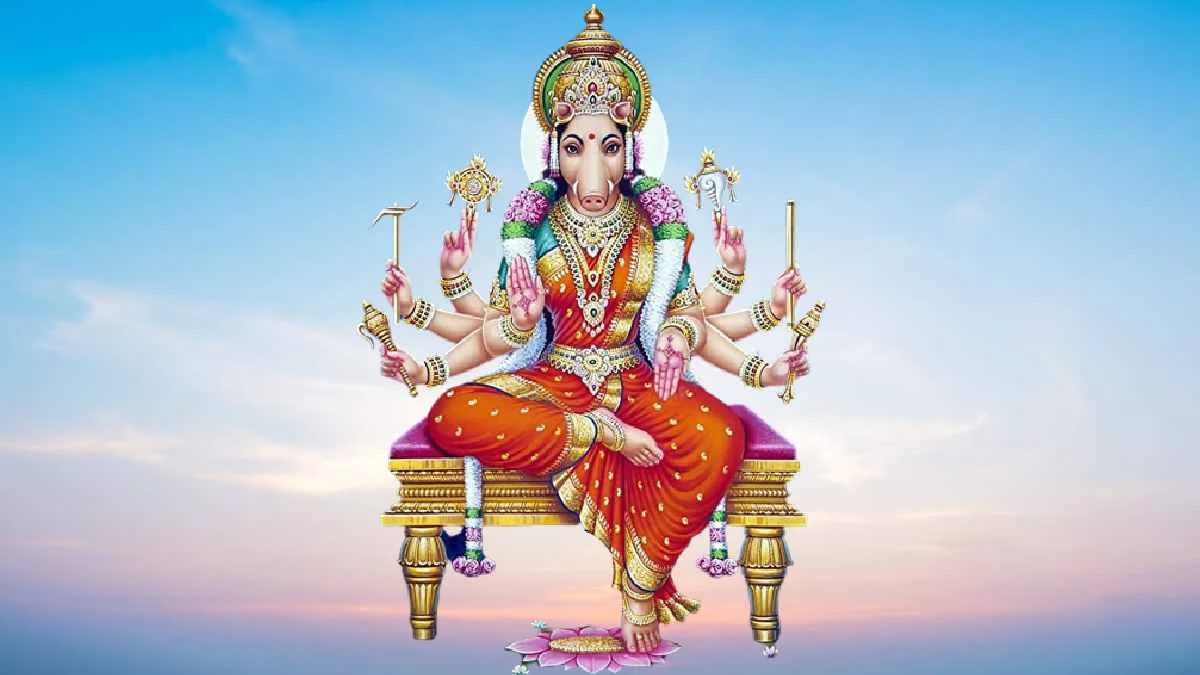

Varahi Pooja is a sacred ritual dedicated to Goddess Varahi, one of Hindu tradition’s Sapta Matrikas (Seven Divine Mothers). Known for her fierce energy and protective nature, Goddess Varahi is often worshipped for strength, protection, and removing negative influences. While temples hold elaborate ceremonies, you can also perform Varahi Pooja at home with devotion and a peaceful setup.
If you’re wondering how to get started, here’s a straightforward guide to help you perform Varahi Pooja at home respectfully and heartfeltly.
Who Is Goddess Varahi?
Goddess Varahi is depicted with the face of a boar and the body of a powerful goddess. She is a form of Shakti, often associated with protection, courage, and inner transformation. Varahi is worshipped during Amavasya (new moon), Navaratri, and specific times per the lunar calendar.
When to Perform Varahi Pooja
While you can perform Varahi Pooja at home on any auspicious day, Fridays, Amavasya nights, and Rahu Kalam are considered spiritually powerful. Checking with a local priest or Panchang about the right time is best.
Items Needed for the Pooja
Here’s a list of basic items you’ll need:
- A clean image or idol of Goddess Varahi
- Fresh flowers (preferably red or yellow)
- Turmeric, Kumkum, Sandalwood paste
- Incense sticks, camphor, diya (lamp)
- Fruits, coconut, betel leaves, betel nuts
- Naivedyam (a simple sweet or dish as an offering)
- Varahi mantras or stotra (optional for chanting)
Step-by-Step Guide: How To Do Varahi Pooja At Home
1. Clean the Space
Choose a calm, clean area in your home and set up a small altar. Place the Varahi image or idol on a red or yellow cloth.
2. Light the Lamp
Begin by lighting the diya and incense sticks. This sets a peaceful, devotional atmosphere.
3. Offer Flowers and Kumkum
Offer the idol fresh flowers, turmeric, kumkum, and sandalwood paste. You can decorate the area with garlands or rangoli if you like.
4. Chanting or Silent Prayers
If you know the Varahi mantras, chant them slowly and with devotion. If not, simply offer your prayers silently. One of the commonly recited mantras is:
“Om Aim Hreem Shreem Shoolayai Namah”
Repeat it 11 or 21 times based on your comfort.
5. Offer Naivedyam
Place fruits, sweets, or any home-cooked item as Naivedyam. Even a simple banana or jaggery-based sweet is considered enough when offered with faith.
6. Aarti and Camphor
Conclude the pooja by waving camphor (Kapoor Aarti) before the deity and expressing gratitude.
Things to Keep in Mind
- Always perform the pooja with a clean mind and body.
- Try to avoid distractions like phones or loud noise during the ritual.
- If you’re doing the pooja at night (common for Varahi), ensure the environment is calm and quiet.
- You don’t need to know complex rituals—devotion is more important than perfection.